












• Browse By Categories
Machinery
Accessory
Yarn & Threads
Compacting
Dyeing, Tie and Dye,
Bleaching & Garment Washing
Knitting
Printing, Offset, Fusing
Labels, Tapes & Elastic
Embroidery
Fabrics Manufacturers & Exporters
Testing, Certifying Agency
& Textile Testing Equipments
Computers, Softwares & Peripherals
Service Providers
Packing Materials
Mobile & Telecom Services
Couriers
Bank & Insurance
Clothing & Textile Magazines
Fashion & Apparel
Instituitions / Other Institutions
Airline Services / Travel Agents
Shipping & Liners
Cargo & Freight Forwarders
Roadlines & Travels
Dyes & Chemicals
Checking, Iron & Packings
Spinning Mills
Fairs & Exhibition Promoters
ISO / ESI & PF / Import & Export Consultants
Fire & Safety Equipments
Recycling Machines & Spares
Machinery Spares
Trade Mark Consultant
Hospitals/Ayurveda
Hotels
Interior Decorators/Promotors/Furniture
Sueding / Peach Finishing
Pre Press Printing
Buying Agents
Home Textile
Exporters - Non Member


Tirupur Knitwear Cluster

1. BACKGROUND


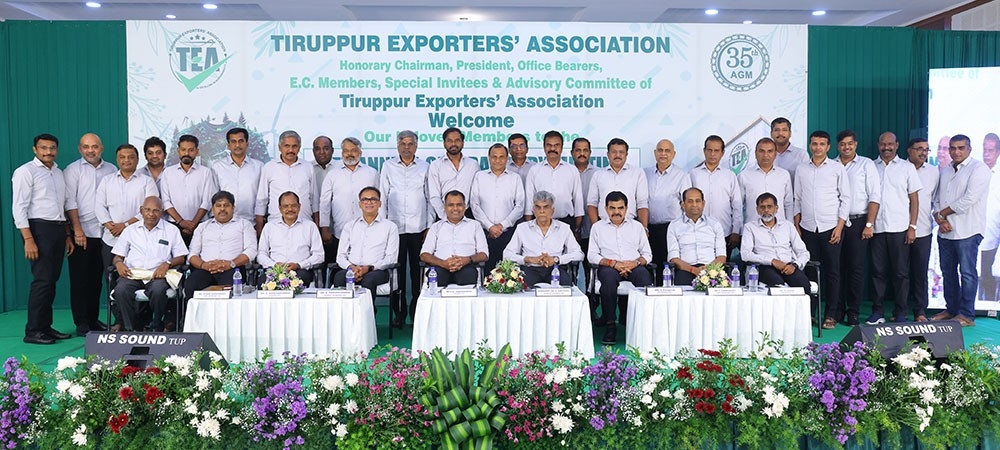
             Origin of the cluster dates back to 1920. First export consignment was made during the year 1974. However, the momentum for export started during early 1990.Growth is attributed to the positive steps taken by few visionaries who founded Tirupur Exporters Association (TEA) to solve the problems faced by the industry. Total value of exports from Tirupur touched Rs.11000 Crores during the year 2007 from the modest Rs. 290 Crores during the year 1990.


            In the post quota scenario, since the buyers abroad would have a wider range of choice, critical strategies for the cluster manufacturers for export competitiveness will be shortening lead times, reducing expensive inventories and evolving innovative ways to connect the entire value chain electronically from sourcing of fabrics & accessories to garment manufacturing, and integrating these to final sales. This would require the SME cluster players to develop business processes to implement and manage e-technologies efficiently in order to meet this situation.


            Specific areas in which ICT intervention has been observed to be useful at the Tirupur cluster are Sampling, Costing, Capacity planning, Resource Planning, Production Scheduling, Order Management, Skill management, Production, and Inventory Management.

ICT Status


            Overall, the survey concluded huge gaps in the deployment of ICT technology in the areas of supply chain management, designing, merchandising and customer relations. The cluster appeared more conscious of spending on ICT in monitoring the quality standards, as the exporters’ source supplies from multi-level production centers & varied production sources, which requires quality synchronization for standardized exports. Study found limited ICT "vision" for an integrated business and there was limited knowledge on latest technologies such as data warehousing, e-commerce etc. While large firms in the cluster are inline with the leading international manufacturing sectors in ICT usage, most of MSMEs requires strong support. The most common handicap mentioned in ICT implementation was delay in installing the systems due to limited availability of the local software vendors which are mostly based at Coimbatore, Chennai or Bangalore. It appears that there are huge gaps in the deployment of ICT technology in the areas of supply chain management, designing, merchandising and customer relations. Huge amount of money is being spent only for monitoring the quality standards. Since most of the exporters have multi-level production centers and varied production sources, such quality monitoring and control can only be expected.

E-action plan


            The action plan to improve the ICT intervention at the Tirupur cluster follows a three pronged strategy, i.e., improvement in managerial understanding & skills towards ICT understanding, improvement in the availability/ quality of ISVs, and promotion & participation of SMEs in business networks & e-marketplaces. A system to coordinate the proliferating merchandisers with the suppliers is required in order to minimize their cost of traveling and thus reduce the production cycle. ICT can also facilitate the managers & entrepreneurs in the cluster to establish networking with the various international design institutes & designers, to help them create new designs. Improved customer service can be achieved by faster delivery, decrease in inventory levels in the warehouses, introduction of automatic stock replenishment systems and easier communication

Institutional Support


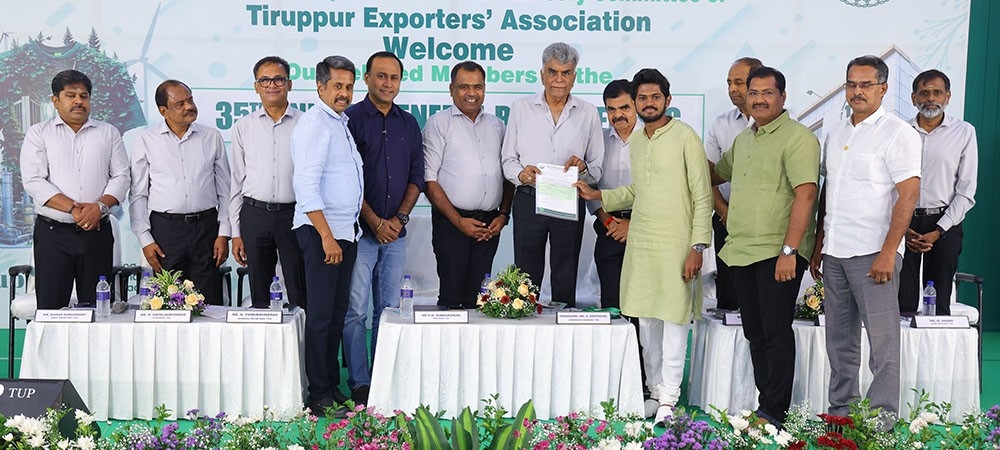
             ICT linkages among various cluster actors are relatively not very strong. Only TEA uses ICT to communicate with the members. TEA, NIFT-TEA Knitwear Fashion Institute, ISI and the Textiles Committee have their own websites. Organizations which have a national presence like Indian Statistical Institute (ISI), the Textiles Committee use their websites for dissemination of a large portion of information about the organizations and their activities. Website of TEA is linked with the websites of its other members.